By: The Editorial Board
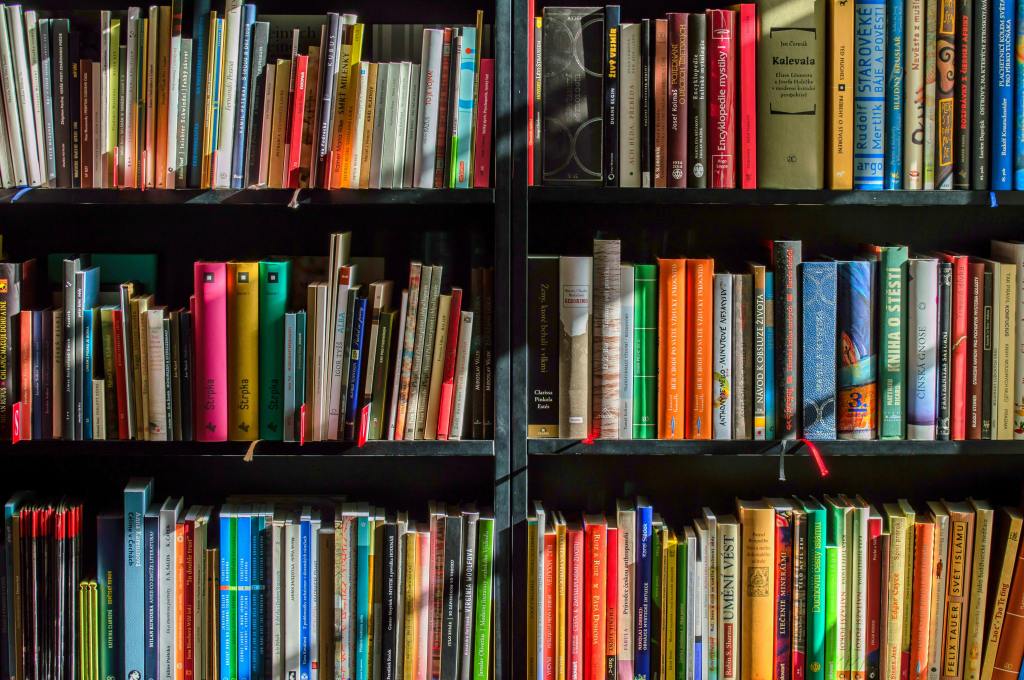
For the last two decades, many have claimed the world of physical books and bookstores is ending as we know it. Yet physicals books still remain as popular as ever. The reading of physical books among most age groups is even growing.
Maybe it’s the smell of the pages or the texture of a good cover that feels right in your hands. There is something undeniably satisfying about opening a new book for the first time and reading it.
A new generation of book lovers has emerged within the youngest Millennials and the oldest Gen Zers. In the same way stamps became a hobby more than being used to mail letters, one of the original means of books has been revived by these generations. They are turning to books not always as sources of information or fictional escapades, but as a way of connecting back to the physical world.
The digital world around us has quietly surrounded every aspect of our lives. We live in a digital-first world, and the doubters assumed this would eventually lead to the death of all things analog and physical. However, they did not anticipate that books would still exist for the purpose of sharing information or providing entertainment. They failed to see that the future is not about opting to binge-watch the next season of Stranger Things on Netflix but the act of physically breaking away from our screens for a moment to hold typed words on a page. Pages without ads or distractions and words you want to read. The act of sitting in a comfy chair reading a physical book today is almost cathartic to some.
The generations born into the 2000s emerged not with books in hand but with the internet, phones, and iPads. As a result, the idea of sitting down and reading a book was a nostalgic hobby to them. The birth of “BookTok” on TikTok only exacerbated the trend. Millions of readers posting videos of book reviews spurred the rise of Colleen Hoover and others. People otherwise glued to their phones found the appeal of reading a book not in the same vein as prior generations but as a relatively low barrier to entry physical hobby that one could do to escape from the chaotic world of notifications and endless videos. Afterward, they could connect to the online communities of reviewers and bloggers who vigorously discussed them.
If anything, this habit reflects a deeper shift in how reading fits into modern life. Books have become episodic rather than habitual. Often picked up deliberately rather than reflexively to pass the time, which has been replaced by our phones. Instead, they are incorporated into specific blocks of time meant for disconnecting, purpose, and even productivity.
30 years ago, you could have asked someone what they did on a given weekday, and they would have maybe mentioned reading the newspaper, magazine, or book in passing, almost mentioned in the same breath as sleeping. Today, mentioning you read a great book sparks almost instant curiosity and conversation. Something that used to be trivial is now different and intriguing.
The physical book endures. Compared to its digital rivals, consumers continue to stubbornly purchase physical copies in their favorite bookstores or online. Hardcovers and paperbacks do not need to be recharged or connected to WiFi. Taking them to the beach is encouraged, and getting a little sand in between the pages only adds character. They can last for hundreds of years or be repurposed as sustainable. They can be trendy and vintage. Physical books do not have to be relics of a quieter age, but a medium that continues to offer something increasingly rare: reconnection to the physical present in an era of digital distraction.
 The Millennial
Leave a comment